
April Inflation Reports Under Scrutiny as Mideast Energy Shock Pressures Markets
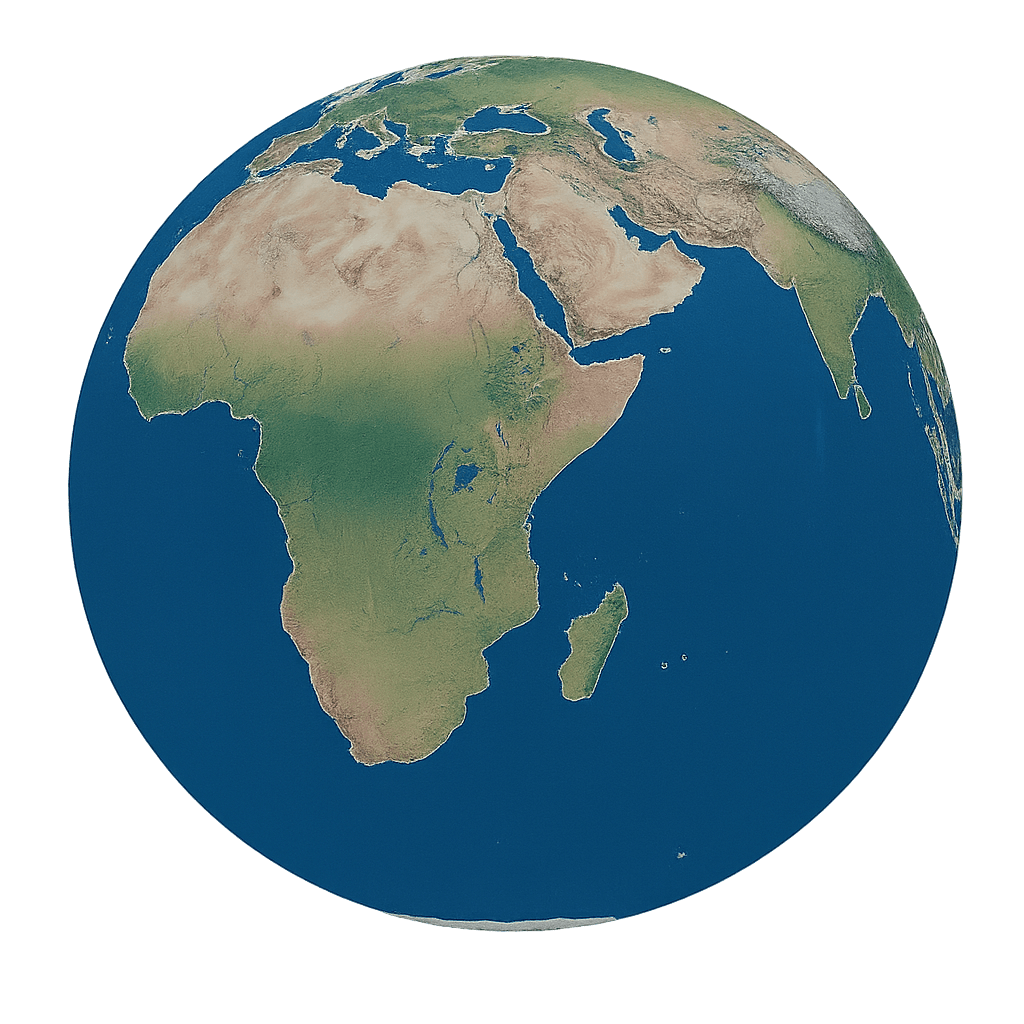
The escalation of geopolitical instability in the Middle East has disrupted maritime trade routes and pushed energy prices higher. Economists say the initial impact of the conflict involving the United States, Israel, and Iran was already reflected in March inflation figures, and the upcoming April data will help determine whether higher oil and liquefied natural gas costs are feeding into broader, underlying inflation trends.
Key releases are scheduled over the coming weeks, including US inflation data on May 12, preliminary eurozone figures on Thursday, and Japan’s inflation report on May 22.
Kutay Gungor, director of investment research at Kuveyt Turk participation bank, said the April numbers will be critical in assessing whether disruptions in the Strait of Hormuz have led to longer-term pricing changes rather than temporary volatility.
“The upward momentum in headline inflation during this period may show whether supply security concerns will lead to temporary fluctuation or establish a new balance point in commodity prices,” he said, warning that higher energy costs could slow the global disinflation process.
He also noted that sustained increases in shipping costs and geopolitical risk premiums could create secondary inflation effects, particularly in the services sector, by limiting pricing flexibility.
According to Gungor, any stronger-than-expected inflation readings in April could reduce central banks’ ability to ease monetary policy, potentially pushing back expectations for rate cuts toward the fourth quarter. He added that the interaction between cost pressures and demand conditions suggests inflation may remain persistent rather than short-lived.
Early indicators of rising energy-driven inflation were already visible in March data. In the United States, the consumer price index rose to 3.3% year-on-year, up from the previous month, while monthly inflation increased by 0.9%, largely driven by higher energy costs.
Legal Disclaimer:
MENAFN provides the
information “as is” without warranty of any kind. We do not accept
any responsibility or liability for the accuracy, content, images,
videos, licenses, completeness, legality, or reliability of the information
contained in this article. If you have any complaints or copyright
issues related to this article, kindly contact the provider above.
Legal Disclaimer:
EIN Presswire provides this news content "as is" without warranty of any kind. We do not accept any responsibility or liability for the accuracy, content, images, videos, licenses, completeness, legality, or reliability of the information contained in this article. If you have any complaints or copyright issues related to this article, kindly contact the author above.
