
IEA Chief Warns Fragile Global Energy System at Risk
Speaking in Paris, IEA Executive Director Fatih Birol said the world economy is now heavily dependent on a small number of key actors, making it more vulnerable to disruption. He described the situation as highly unstable, noting: “We are living in an extremely fragile situation. The global economy… depends today on a very limited number of actors,” as reported in his interview with France Inter.
Birol highlighted instability surrounding the Strait of Hormuz as a major risk for global energy markets, warning that any disruption in the narrow waterway could trigger wide-ranging consequences for the global economy. He described the situation as “absurd, but real.”
He added that global energy systems remain highly sensitive to political developments, including statements from leaders such as Donald Trump, whose comments on trade and energy policy, according to him, continue to influence market expectations and uncertainty.
“The vase is broken. And when a vase is broken, you cannot fully repair it,” Birol said, emphasizing that the damage to global energy stability may have long-term effects.
He also pointed to the ongoing impact of the war in Ukraine, which has disrupted oil and gas flows and reshaped global supply chains, particularly in Europe. Despite sanctions and changing trade routes, he noted that Russia continues to play a significant role in global energy markets, contributing to price volatility.
Birol compared the current energy landscape to the oil shocks of the 1970s, but argued that today’s crisis is broader due to its impact across oil, gas, fertilizers, and petrochemical industries.
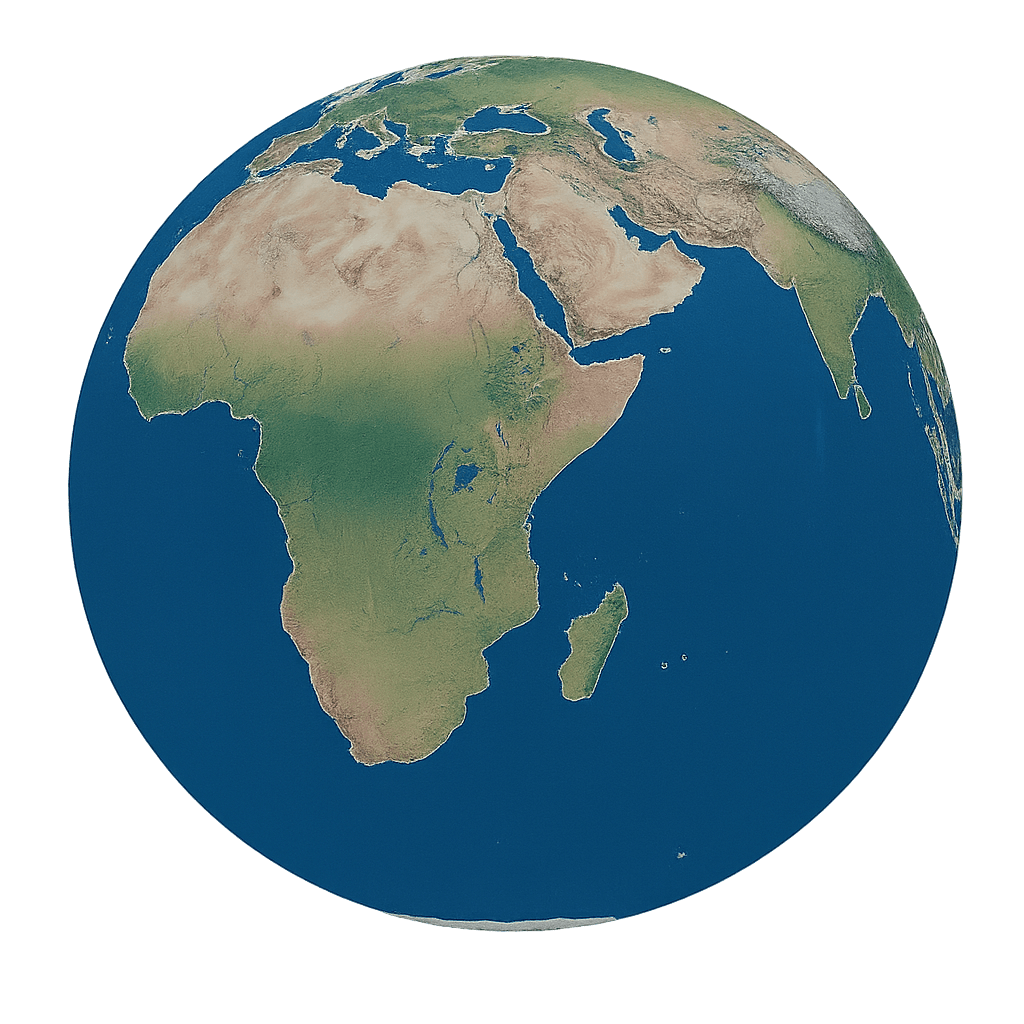
He warned that continued instability could fuel inflation and slow global economic growth, with developing regions—particularly in Africa and South Asia—facing the most severe consequences.
Legal Disclaimer:
MENAFN provides the
information “as is” without warranty of any kind. We do not accept
any responsibility or liability for the accuracy, content, images,
videos, licenses, completeness, legality, or reliability of the information
contained in this article. If you have any complaints or copyright
issues related to this article, kindly contact the provider above.
Legal Disclaimer:
EIN Presswire provides this news content "as is" without warranty of any kind. We do not accept any responsibility or liability for the accuracy, content, images, videos, licenses, completeness, legality, or reliability of the information contained in this article. If you have any complaints or copyright issues related to this article, kindly contact the author above.
